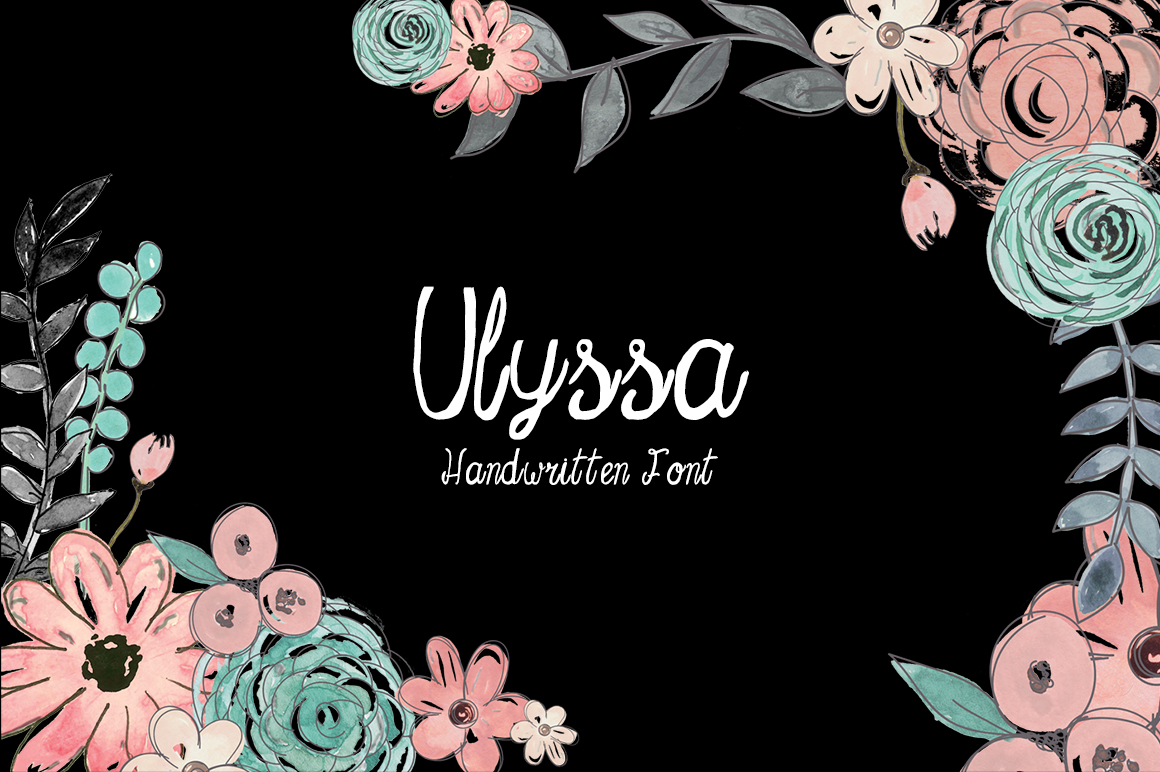
Ulyssa Font: Modern Script for Web Design
As a web designer, I'm always on the lookout for fonts that bring personality to digital projects without sacrificing clarity. Ulyssa is one such typeface—a stylish contemporary handwritten font that adds a human touch to modern interfaces. Its unique flow and soft curves make it ideal for both standalone use and in combination with other typefaces.
Ulyssa’s visual characteristics are what set it apart. The font has a natural, flowing script that feels handcrafted yet refined. Its subtle variations in stroke weight and letterforms give it a dynamic energy that can elevate any design. Whether used in headers, buttons, or decorative elements, Ulyssa maintains a sense of elegance and approachability.
Using Ulyssa in Web Design
For website headers and hero sections, Ulyssa offers a strong visual anchor. Its legibility at larger sizes makes it perfect for headlines that demand attention. On landing pages, it can be used to highlight key value propositions or call-to-action phrases. The font's organic style complements modern UIs while adding a personal, creative flair.
In online stores, Ulyssa works well for banners and product titles. It can help create a cohesive brand identity that feels authentic and inviting. For blog graphics and content sections, the font brings a sense of movement and creativity that engages readers without overwhelming them.
When used in digital ads or course sales pages, Ulyssa helps convey a message with warmth and confidence. Its readability at smaller sizes makes it suitable for short phrases, logos, and decorative accents. This versatility ensures that it can support different aspects of a digital project without clashing with other design elements.
Ulyssa for Brand Identity and Visual Hierarchy
One of the strengths of Ulyssa is its ability to shape brand tone. Its handwritten style suggests creativity, craftsmanship, and a personal touch—ideal for brands targeting artistic, lifestyle, or service-oriented audiences. When used consistently across a website, it reinforces a unified brand identity that feels intentional and professional.
Visual hierarchy is another area where Ulyssa shines. Its distinct shape and rhythm make it stand out in a layout, guiding users through content with natural emphasis. This is especially useful in conversion-focused designs, where clear messaging and intuitive navigation are essential.
Readability remains a priority, even with a script font. Ulyssa performs well on mobile screens and in responsive layouts, provided it's used appropriately. At smaller sizes, it's best reserved for short text elements like buttons or labels. On dark backgrounds, it maintains good contrast, while on light backgrounds, it retains clarity without appearing washed out.
Practical Use Cases for Ulyssa
Consider using Ulyssa for a creative portfolio site. Its fluid style matches the expressive nature of artistic work, making it an excellent choice for project titles or artist names. For a boutique online store, the font can add a bespoke feel to product headings or promotional banners.
A coaching website might benefit from Ulyssa in section headings or client testimonials. It conveys trust and authenticity, which are crucial for service-based businesses. In a course sales page, the font can highlight key benefits or success stories, creating a more engaging reading experience.
For blog headers or social media graphics, Ulyssa brings a sense of personality that aligns with content-driven platforms. Its adaptability allows it to work in both editorial and commercial contexts, making it a valuable addition to any design toolkit.
Font Pairing and Design Integration
When pairing Ulyssa with other fonts, consider balancing its decorative nature with simpler typefaces. A clean sans serif for body copy or a classic serif for subheadings can create a harmonious contrast. This approach ensures that the design remains readable while maintaining visual interest.
For editorial design or packaging, Ulyssa can serve as a standout element that captures attention. In web design, it's best used as a display font rather than for extended text. This keeps the overall layout balanced and prevents visual fatigue.
Before finalizing a design, check the font's available styles, file formats, and multilingual support. These details affect how the font functions in different environments and ensure compatibility across devices and browsers.
Commercial Licensing and Digital Use
When using Ulyssa for websites, client projects, or online stores, it's important to verify the commercial licensing terms. Most premium fonts require proper licensing for web use, especially when included in templates or brand assets. Always review the license agreement to avoid legal issues and ensure compliance.
For SaaS founders or digital product creators, Ulyssa can be part of a broader design system. Its consistent appearance across different touchpoints strengthens brand recognition and user experience. As a digital creator, I appreciate fonts that offer flexibility without compromising quality.
Ultimately, Ulyssa is more than just a font—it's a tool that enhances the way we communicate visually online. Its blend of style and usability makes it a valuable asset for web designers and digital creators looking to craft compelling, professional, and engaging experiences.