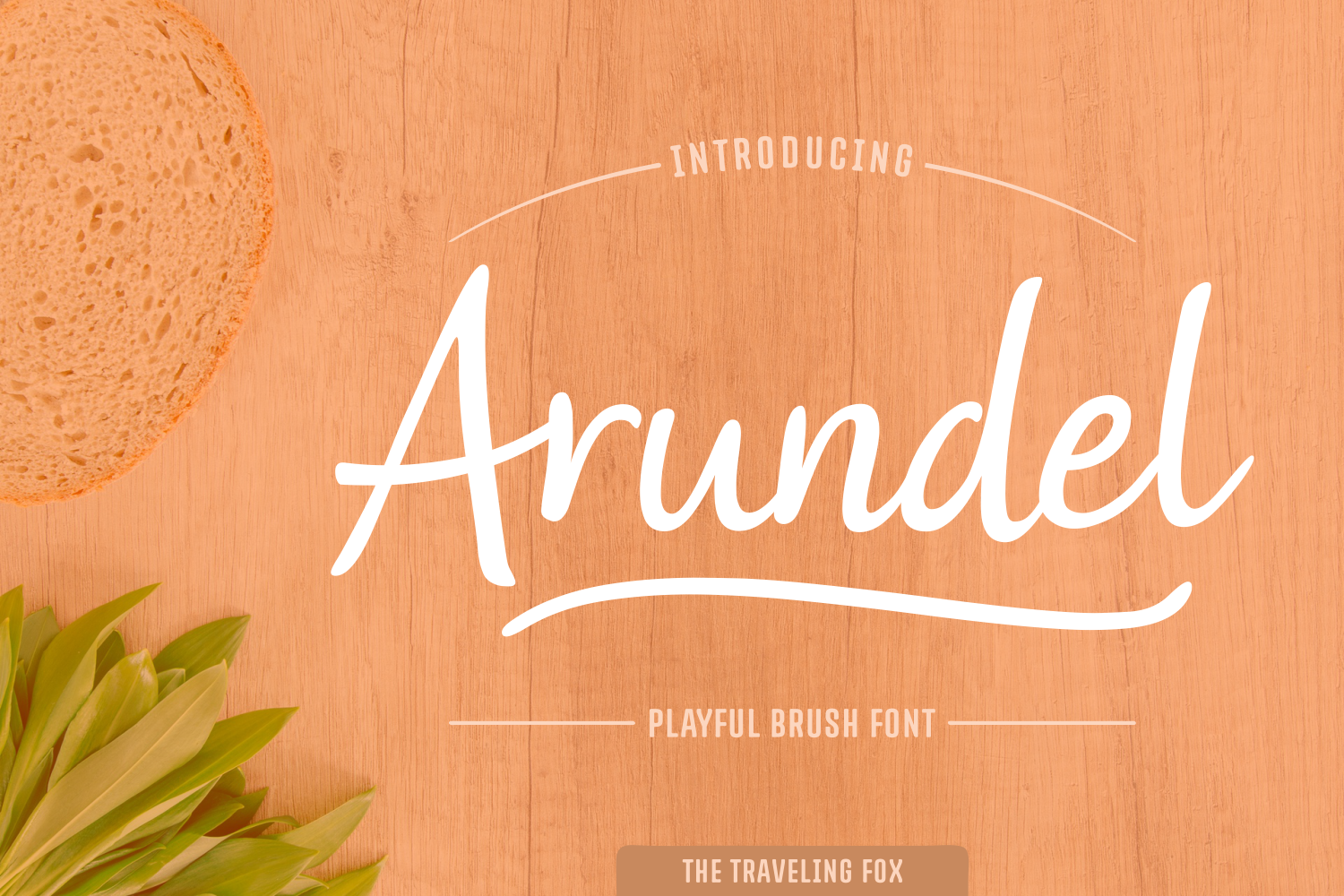
Arundel: A Script Font for Editorial Design
Arundel is a script font that brings a casual and freeing energy to editorial design. Its handwritten style offers a personal touch, making it ideal for headlines, covers, and visual accents across blogs, magazines, and digital publications. As a script handwritten font, Arundel blends natural flow with readability, ensuring it works well in both print and screen formats.
The font’s soft curves and fluid lines create a warm, approachable tone. This makes it particularly effective for content that aims to engage readers through a friendly or creative voice. Whether used in a lifestyle blog, a recipe ebook, or a wedding guide, Arundel adds a sense of authenticity and personality to the layout.
Using Arundel in Editorial Layouts
Arundel excels as a display font, offering a strong visual presence without overwhelming the reader. It pairs well with serif and sans serif fonts, making it a versatile choice for editorial design. For example, pairing Arundel with a clean serif font can create a balanced contrast that enhances readability while maintaining a cohesive aesthetic.
In magazine covers, Arundel can serve as the headline font, drawing attention with its unique character. For ebook titles or chapter openers, it adds a decorative yet legible element that supports the overall tone of the publication. In newsletter graphics, Arundel can be used for pull quotes or section headings, helping to guide the reader through the content.
When designing quote graphics or printable guides, Arundel’s handwritten style creates a more intimate feel. This is especially useful for worksheets, lead magnets, or planners where a personal touch can enhance the user experience. Its versatility allows it to adapt to different design needs while maintaining a consistent visual identity.
Arundel for Branding and Publication Identity
Arundel is an excellent choice for branding elements such as logos, social media graphics, or packaging design. Its informal yet elegant appearance can help establish a brand’s personality, whether it’s for a creative business, a wellness brand, or a lifestyle publication. When used consistently across design assets, Arundel strengthens the overall brand identity.
For content creators, Arundel can be part of a broader typographic system. Using it for headlines and accents while relying on a readable sans serif or serif font for body text ensures clarity and visual balance. This approach is particularly effective for digital magazines, course materials, or printable resources where both aesthetics and functionality matter.
Arundel also works well in web design, where it can be used for headings or callout text. Its legibility on screens makes it suitable for mobile layouts and responsive designs. When exported to PDF, Arundel maintains its character, ensuring that printed materials retain the same visual appeal as their digital counterparts.
Practical Applications of Arundel
Consider using Arundel in a coaching workbook to add a personal, motivational flair to section headings. In a recipe ebook, it can highlight dish names or cooking tips, creating a more engaging reading experience. For a wedding guide, Arundel can be used in cover art or title pages, reinforcing the event’s theme with a custom, handcrafted look.
As a premium font, Arundel offers multiple styles and alternates, allowing for greater flexibility in design. Checking the available weights and ligatures can help ensure the font meets specific project requirements. Its multilingual support also makes it a practical choice for international publications or multilingual content.
When incorporating Arundel into editorial work, it’s important to consider commercial licensing. Depending on the intended use—whether for ebooks, templates, printables, or client projects—the license must allow for proper distribution and modification. Always review the font’s terms to avoid legal issues.
Arundel in Modern Typography
Arundel fits naturally into modern typography, where a mix of handwritten and structured elements is increasingly popular. Its ability to blend with other fonts makes it a valuable addition to any designer’s toolkit. Whether used for a creative logo, a bold headline, or a subtle accent, Arundel contributes to a more dynamic and visually appealing layout.
For editorial designers, Arundel provides a way to differentiate content while maintaining readability. It supports visual hierarchy by drawing attention to key sections without disrupting the flow of the text. This makes it ideal for article layouts, where clear organization and engaging visuals are essential.
Ultimately, Arundel is more than just a script font—it’s a tool for enhancing the reader’s experience. Its thoughtful design and flexible application make it a go-to choice for publishers, bloggers, and content creators looking to elevate their editorial work. Whether used in a digital magazine or a printable worksheet, Arundel adds a touch of creativity and consistency to every project.