Talissa: A Handmade Font for Editorial Design
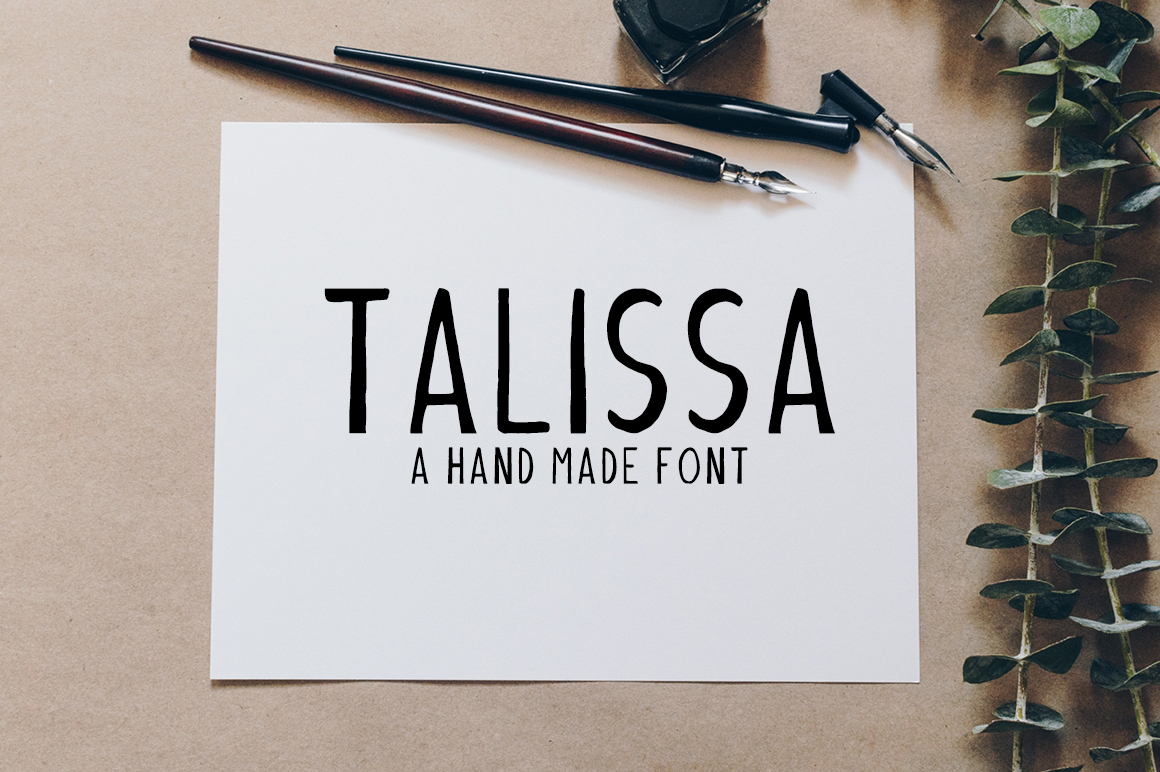
Talissa is a handmade and timeless font that brings a unique, personal touch to editorial design. As a script handwritten typeface, it offers a balance of elegance and modernity, making it ideal for projects that require both visual appeal and readability. Whether you're designing a blog header, a magazine cover, or a printable guide, Talissa can elevate your content with its distinctive character.
Designed with care, Talissa features fluid strokes and subtle imperfections that mimic the natural flow of handwriting. This makes it stand out from more rigid digital fonts while maintaining a polished look. Its versatility allows it to work well in both large-scale display applications and smaller text elements, offering designers flexibility across different formats.
Using Talissa in Editorial Layouts
In editorial design, typography plays a key role in guiding the reader’s eye and setting the tone of the content. Talissa excels as a display font, particularly for headings, subheadings, and pull quotes. Its organic style adds a human element that can make a publication feel more approachable and authentic.
For example, a lifestyle blog might use Talissa for article titles and section headers to create a cohesive, visually engaging layout. A recipe ebook could feature Talissa on the cover and chapter openers, giving the content a warm, inviting feel. Similarly, a wedding guide might use the font for key phrases like “The Big Day” or “Wedding Vows,” reinforcing the event's significance through typography.
Talissa also works well in quote graphics, where its handwritten style can add personality to featured text. In newsletters or digital magazines, it can be used for callout boxes, lead magnets, or section dividers to break up dense blocks of text and draw attention to important information.
Supporting Visual Hierarchy and Brand Identity
Effective typography helps establish visual hierarchy, ensuring that readers can easily navigate through content. Talissa can serve as a strong focal point when used for headlines, helping to direct attention and emphasize key messages. When paired with a clean, readable font like a serif or sans serif typeface, it creates a balanced and professional look.
For publications that rely on consistent branding, Talissa can become a signature element. It can be used across multiple touchpoints—such as social media graphics, packaging design, or web banners—to reinforce brand identity. Its unique style ensures that your content stands out while still feeling cohesive and intentional.
Readability is a crucial consideration, especially when using a script font. Talissa maintains clarity even at smaller sizes, making it suitable for short text elements like captions, labels, or navigation menus. For longer reading passages, it’s best to pair it with a more traditional font to ensure comfort and accessibility across devices and print formats.
Practical Applications Across Content Formats
Talissa’s adaptability makes it a valuable asset for a wide range of content types. In a coaching workbook, it can be used for motivational quotes or section headings, adding a personal and encouraging tone. A printable planner might incorporate it into daily prompts or goal-setting sections, enhancing the user experience with a custom feel.
For digital magazines, Talissa can be used in cover art, article titles, and sidebars to create a visually rich layout. In a creator newsletter, it can highlight featured content or special announcements, making the message more engaging and memorable.
When considering font pairing, Talissa pairs well with serif fonts for body copy, offering contrast without overwhelming the reader. It also complements clean sans serif fonts for captions, footnotes, or navigation elements, ensuring a harmonious and functional design.
Considerations for Commercial Use
Before using Talissa in commercial projects, it’s important to review the licensing terms. Depending on the font provider, there may be specific restrictions on how the font can be used in ebooks, templates, printables, paid newsletters, or client publications. Ensuring compliance with these terms helps protect both the designer and the end user.
Additionally, checking the font’s available styles, alternates, and ligatures can enhance its usability. Some versions of Talissa may include additional characters or stylistic options that expand its functionality for multilingual content or creative layouts.
Talissa is more than just a font—it’s a tool for creating visually compelling and emotionally resonant content. Whether you’re designing a magazine, a digital guide, or a personal project, this script handwritten typeface offers a unique way to express your brand and connect with your audience.
By integrating Talissa into your editorial design process, you can add a touch of individuality and craftsmanship that sets your work apart. Its blend of modernity and handmade charm makes it a valuable addition to any designer’s toolkit.