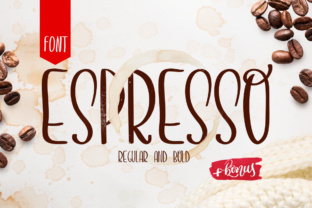
Espresso Font for Business
As a small business owner, finding the right font can make a big difference in how your brand is perceived. Espresso is a script handwritten font that brings a sense of warmth, joy, and personality to any design. It’s perfect for businesses looking to create a cohesive and professional look across all their materials.
What Makes Espresso Unique
Espresso has a playful yet elegant style that feels like a handwritten note from a friend. Its flowing lines and casual strokes give it a friendly, approachable vibe. This makes it ideal for brands that want to convey a sense of fun and authenticity without sacrificing professionalism.
Whether you’re running a boutique, a café, or an online shop, Espresso adds a personal touch that helps your brand stand out. It’s not just a font—it’s a way to express your brand’s personality through typography.
Real-World Applications for Espresso
Espresso works well in a variety of business contexts. For example, a bakery could use it on packaging labels to add a handcrafted feel. A handmade candle brand might use it on product tags to emphasize the artisanal nature of their work. Even a coaching business could benefit from its warm, inviting presence in marketing materials.
- Logos
- Business cards
- Product labels
- Packaging design
- Thank-you cards
- Stickers
- Menus
- Flyers
- Website banners
- Instagram posts
- Pinterest graphics
- Digital ads
Using Espresso consistently across these materials helps build brand recognition. When customers see the same font in different places, they begin to associate it with your business, making your brand more memorable.
When to Use Espresso
Espresso is best used as a headline, logo, or display font. It shines when it’s the main visual element of a design. However, it can also be used as an accent font to add flair to other text elements.
For example, pairing Espresso with a clean sans serif font like Helvetica or Arial creates a balanced look that’s both stylish and easy to read. This kind of font pairing is great for websites, social media posts, and printed materials where clarity is important.
Readability and Practicality
While Espresso is expressive, it’s also designed to be readable in real-world situations. It works well on small labels, mobile screens, and printed packaging. The font’s legibility ensures that your message comes through clearly, even in tight spaces.
When using Espresso on social media thumbnails or digital ads, it helps catch attention while still being easy to read at a glance. This makes it a versatile choice for businesses that rely on visual content to engage their audience.
Testing Espresso Before Full Adoption
Before committing to Espresso for your entire brand, it’s a good idea to test it in different contexts. Create a few mockups of your logo, packaging, or website banner to see how it looks in action.
Print out samples to check how it appears on paper. Also, test it on different screen sizes to ensure it remains clear and legible. This step helps avoid last-minute changes and ensures a smooth branding process.
Font Pairing Tips
Pairing Espresso with other fonts can enhance your overall design. A common approach is to pair it with a modern sans serif font for contrast. This combination keeps the design clean while allowing Espresso to shine as a standout element.
If you prefer a more classic look, pairing Espresso with a serif font like Georgia or Times New Roman can add a refined feel. This pairing is great for businesses that want to blend tradition with a touch of creativity.
Regardless of the pairing, always prioritize readability. The goal is to create a visually appealing design that communicates your brand’s message effectively.
Commercial Licensing and Usage
Before using Espresso on products, packaging, templates, merchandise, client work, or digital downloads, make sure you have the proper commercial license. This ensures that you’re using the font legally and avoids any potential issues down the line.
Checking licensing details is especially important if you’re selling branded items or working with clients. It’s a small step that can save you time and money in the long run.
Conclusion
Espresso is more than just a font—it’s a tool for building a strong, consistent brand identity. Its handwritten style adds warmth and character, making it ideal for businesses that want to connect with their audience on a personal level.
By using Espresso strategically across your branding materials, you can create a professional, recognizable, and trustworthy image that resonates with your target customers. Whether you’re launching a new business or rebranding an existing one, Espresso offers a fresh and stylish way to express your brand’s personality.